
Operational safety · Risk management · Business continuity
Safety built around the way
your operation actually works
We work inside your organisation to understand risks, people, equipment and processes — then build safety, compliance and training systems that hold up in production, not only in documentation.
Track record
Numbers matter only when they describe real presence inside operations. Ours do.
15+
years of field practice in high-risk operations
9
industries covered, from manufacturing to healthcare
40+
multi-site organisations supported long term
01 — Our perspective
Safety cannot be separated from the way a company works.
Risk rarely sits in one department. It accumulates between a production schedule and a maintenance plan, between a contractor and a permit, between a procedure written two years ago and the way the job is done today.
That is why we start with the operation itself — walking the floor, reading the incident history, talking to the people who do the work. Only then do we design the control structure.
Methodology
Seven layers we read before we recommend anything.
Exposure is never a single finding. We map it layer by layer, from the people on shift to what a stoppage would cost, so controls are placed where risk actually accumulates.
People
Skills, habits, turnover, contractors, language, shift reality.
Processes
Flows, permits, handovers, maintenance windows, deadlines.
Equipment
Machine safety, guarding, ATEX zones, inspections, PPE.
Environment
Substances, emissions, waste, noise, workspace design.
Management
Responsibility, decisions, budgets, escalation, follow-up.
Compliance
Legislation, ISO systems, client requirements, authorities.
Continuity
What happens to production when something goes wrong.
Read
Layers 01–03 describe how the work is really done.
Structure
Layers 04–06 decide who owns which control, and how it is proven.
Sustain
Layer 07 keeps production running when something still goes wrong.
02 — What we do
We start from what is happening in your operation, not from a service list.
Three situations we are called into most often — and what changes after we are involved.
Situation 01
The production line is expanded and nothing in the documentation matches reality anymore.
New equipment, new layout, new contractors on site, the same people expected to run it safely from Monday.
Unassessed machine hazards, missing lock-out procedures, untrained operators, contractor access nobody controls.
Risk assessment on the new configuration, machine safety review, permit and LOTO procedures, targeted training, contractor rules.
The line starts with documented, understood controls — and a named owner for every one of them.
Situation 02
An audit is announced and nobody can prove how the system is actually run.
Procedures exist, records are scattered across departments, and responsibilities were never written down.
Major non-conformities, suspended certification, client requirements you can no longer demonstrate.
Gap analysis against the standard, a usable document structure, internal audit, corrective actions and management review.
The audit is passed with evidence produced by daily work, not by an emergency documentation effort.
Situation 03
Contractors work on site every day, and access rules stop at the gate.
Several companies, different standards, shared areas, and works that overlap without a common plan.
Uncoordinated hot works, lifting over occupied areas, unclear responsibility when an incident happens.
Site rules, induction, permit-to-work, daily coordination and joint inspections with every contractor involved.
Coordination becomes traceable, and interfaces between companies are decided before work starts.
Capabilities
Where we intervene
Each area is delivered by specialists who spend most of their week on site, not in a template library.
01
Occupational health & safety
Risk assessment, ergonomics, PPE and signage programmes, occupational medicine, ATEX and explosive atmospheres.
02
ISO management systems
ISO 9001, 14001, 45001 and beyond — designed to be used by the organisation, then audited without drama.
03
Site & contractor coordination
Health and safety coordination on construction and industrial projects, contractor requirements, permits, joint inspections.
04
Fire, rescue & emergency response
Emergency scenarios, drills, evacuation structure, fire training programmes aligned with legal and corporate standards.
05
Major hazard & substances control
SEVESO gap analysis, COSHH assessments, storage and handling of hazardous substances, waste and environmental exposure.
06
HR, labour compliance & ESG
Payroll, REGES/REVISAL, employee handbooks, representation before authorities, ESG targets and reporting.
03 — Industries
We understand the environment you operate in.
The legislation is often the same. The operation never is. What differs is the equipment, the tempo, the workforce and what a stoppage costs.
Manufacturing
Machine safety, production continuity, contractor management, procedures that survive shift changes and workforce turnover.
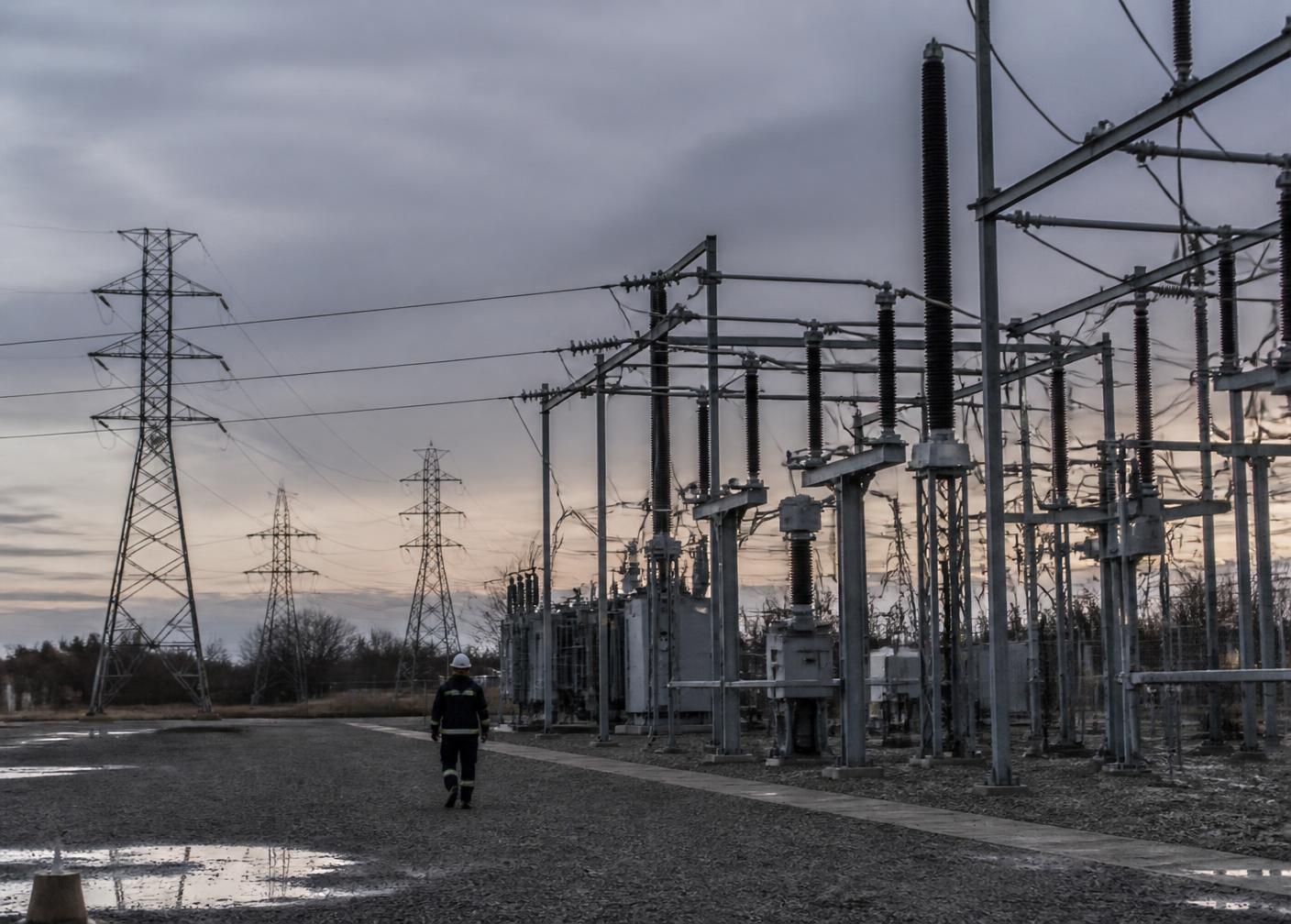
Energy & utilities
High-risk operations, critical procedures, permit systems, contractor coordination and demanding compliance environments.
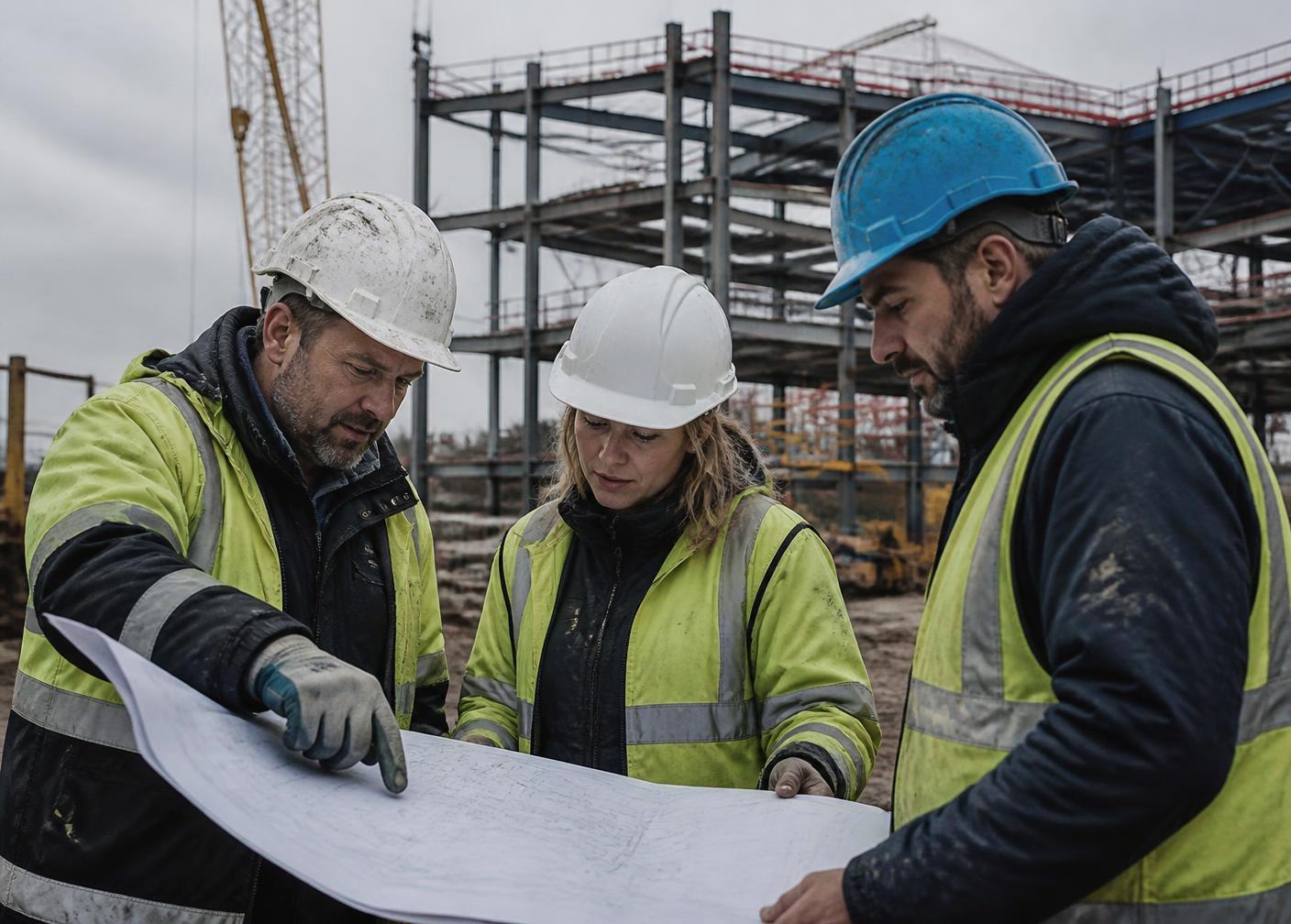
Construction & projects
Site coordination between multiple companies, temporary works, access control, and safety that keeps a schedule realistic.
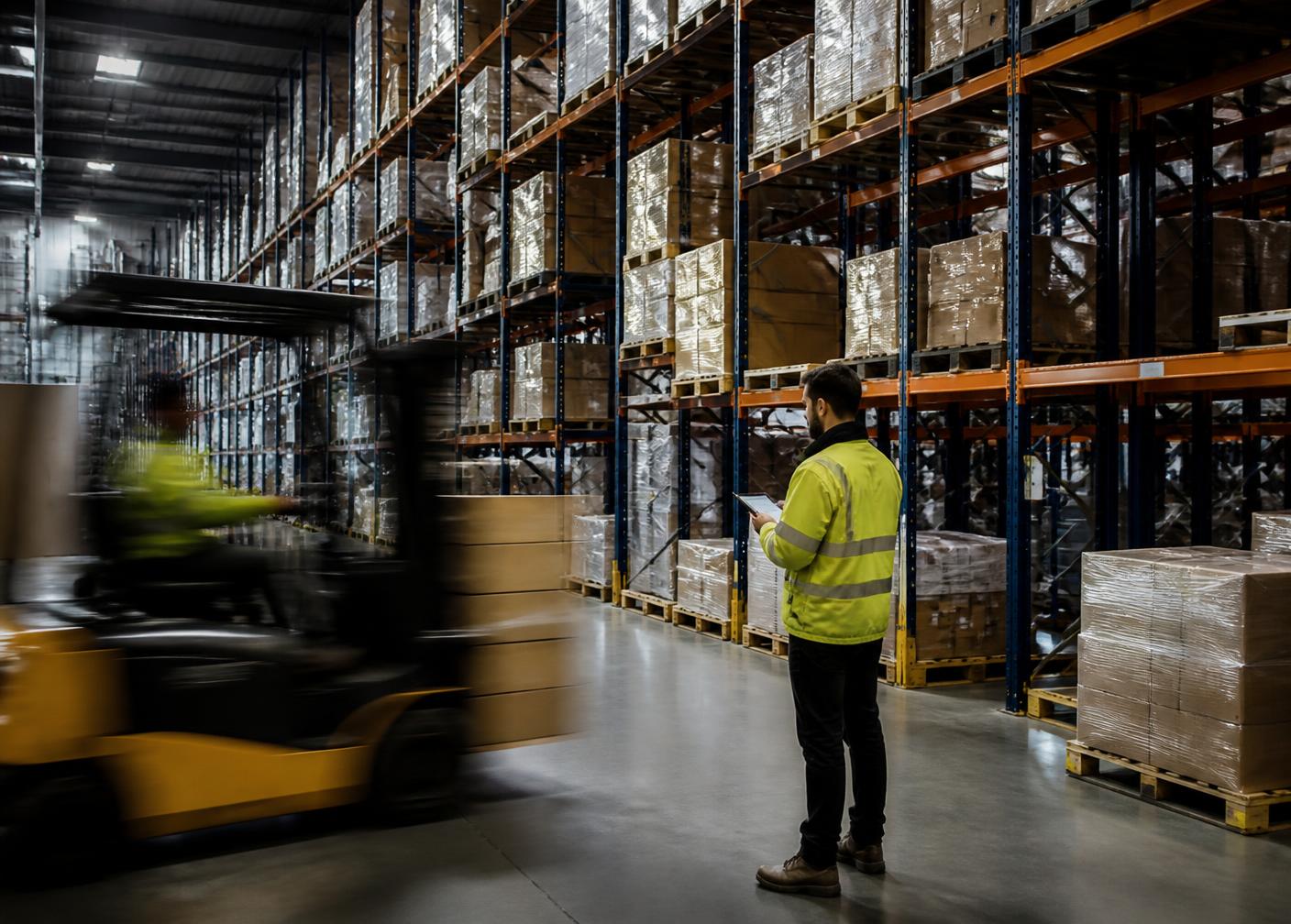
Logistics & warehousing
Traffic and pedestrian separation, racking and load safety, seasonal staff, and training that scales with headcount.
04 — Projects
Competence is easier to read in situations than in claims.
Selected engagements, presented without client-confidential detail.
Manufacturing · Romania
Automotive production facility
- Operational safety assessment
- Machine safety
- Contractor management
- What we found
- Three plants applying different standards, with maintenance interventions carried out outside any permit system.
- What we implemented
- One risk framework, LOTO procedures per equipment family, a contractor induction that takes 40 minutes and is actually completed.
- Operational impact
- Unplanned interventions dropped and the internal audit closed without major findings.
Energy · Multi-site
Energy infrastructure programme
- Permit-to-work system
- ATEX zoning review
- Emergency scenarios
- What we found
- Critical works coordinated verbally between teams who never shared a written interface.
- What we implemented
- A permit system built around real work sequences, zoning documentation, and drills run with the operational crews.
- Operational impact
- Coordination between contractors became traceable, and shutdown windows shortened.
Construction · Central Europe
Industrial expansion project
- Health & safety coordination
- Site rules
- Training programme
- What we found
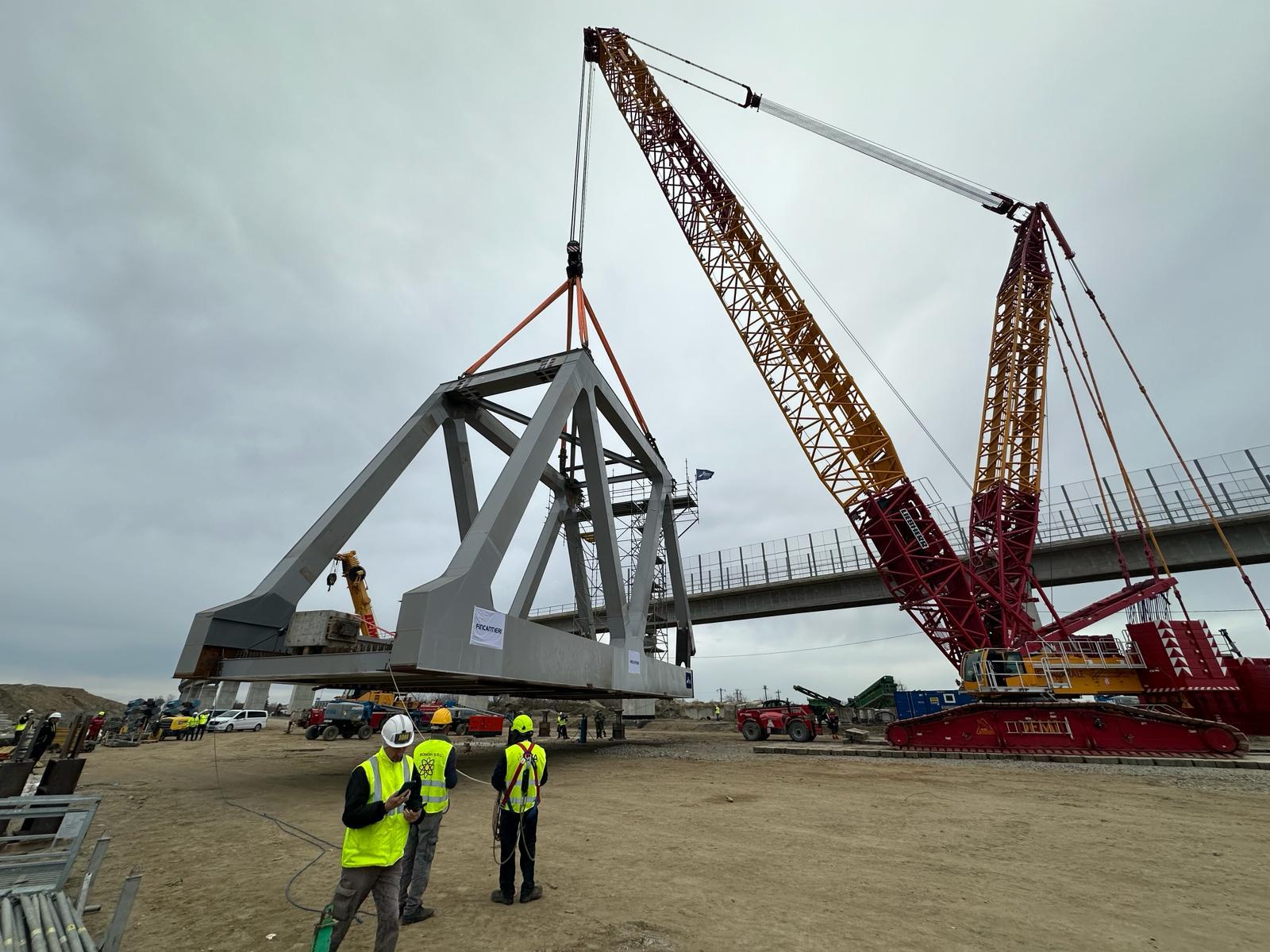
- Eleven companies on one site, each with its own interpretation of access and lifting rules.
- What we implemented
- Site-wide rules, daily coordination meetings, joint inspections, and role-specific training in two languages.
- Operational impact
- The project reached handover with no lost-time incident recorded.
05 — How we work
How we enter an organisation.
Step 01
Understand the operation
People, flows, equipment, responsibilities, incident history, documentation and the constraints nobody writes down.
Step 02
Identify exposure
Where operational, human, technical and compliance risk accumulates — including between departments.
Step 03
Build the control structure
Procedures, responsibilities, training, monitoring and the documentation that supports them.
Step 04
Stay involved
Implementation, audits, updates, recurring training and support when the operation changes again.
06 — Team
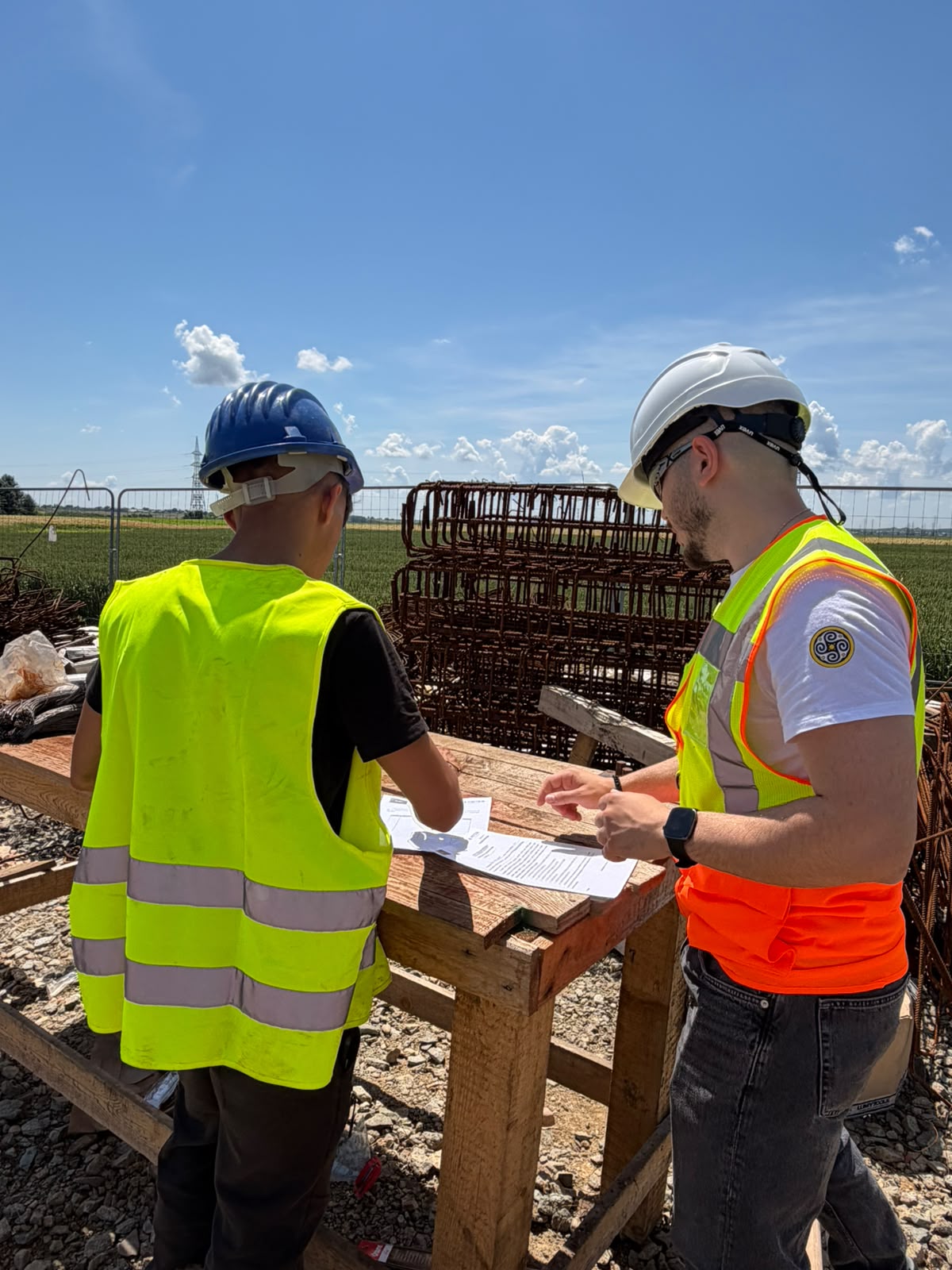
A multidisciplinary team that works in the same room as your operation.
Safety questions rarely belong to one discipline. A machine problem becomes a training problem, then a documentation problem, then a management decision. Our specialists work as one group so that the answer arrives complete.
Occupational safety leads
Risk assessment, machine safety, ATEX
They spend most of the week on site, in production areas, with maintenance and operators.
Management systems consultants
ISO 9001 / 14001 / 45001
They design systems people can use, then prepare the organisation for external audits.
Site coordinators
Construction & industrial projects
They keep multi-contractor sites coordinated day by day, not through email chains.
HR & labour compliance
Payroll, REGES, representation
They handle the administrative side so operational teams can stay on the operation.
07 — How we behave
We go on site.
Important decisions are not made only from documentation.
We ask uncomfortable questions.
Risk often sits between departments, responsibilities and routines.
We stay involved in implementation.
A procedure nobody uses does not improve safety.
We explain before we impose.
People follow systems they understand.
08 — Clients
Trusted where safety, continuity and responsibility cannot be separated.
Beyond the site
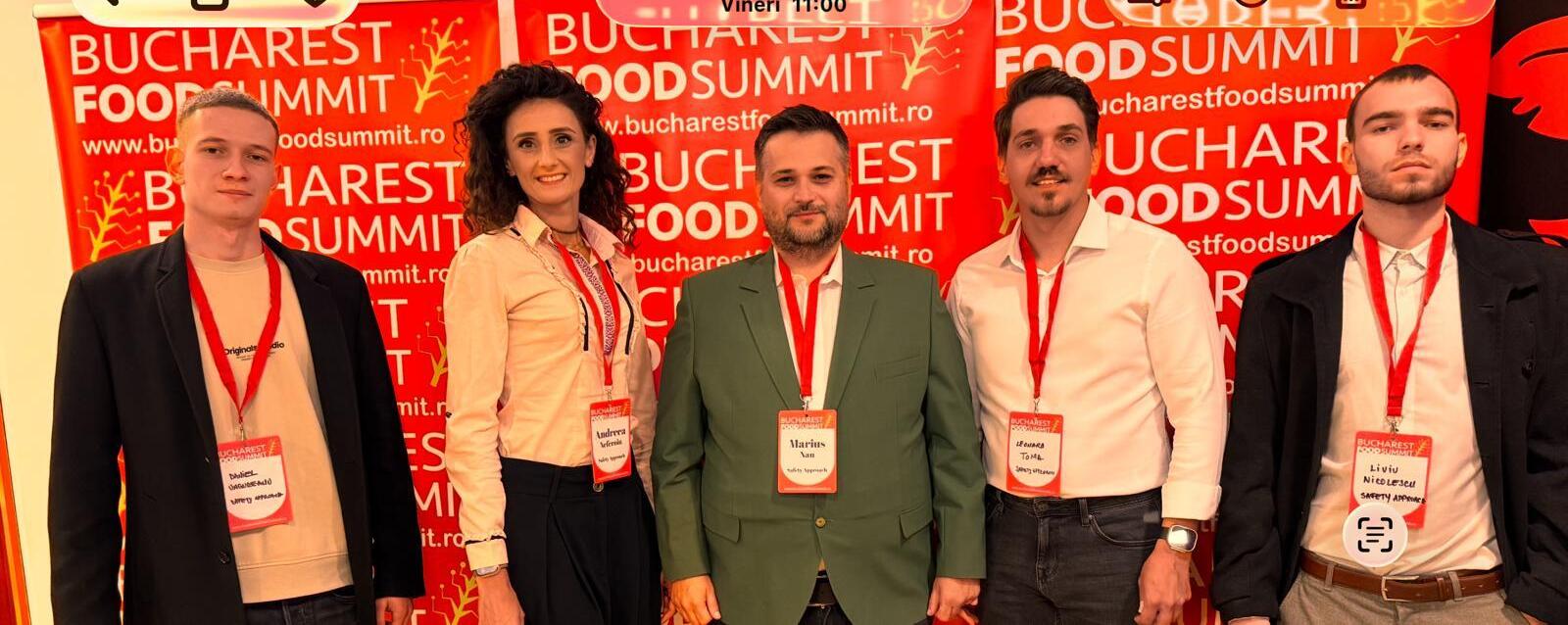
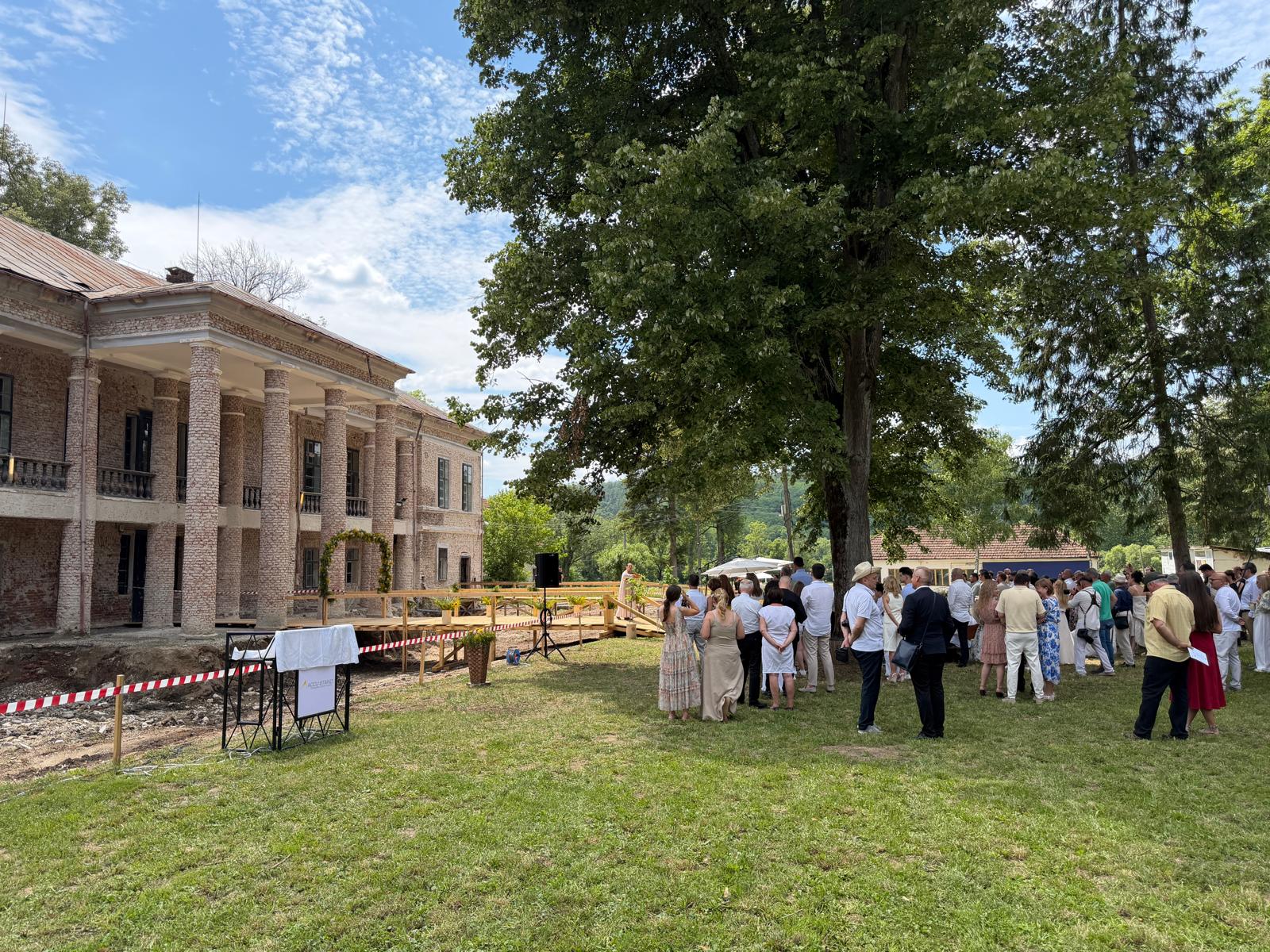
Part of the industry. Part of the conversation.
Our work often starts on site, but it does not stop there. We are also present in the professional communities, events and conversations that shape the industries we work with.

09 — Insights
Notes from inside operations.
Field notes
Why most risk assessments stop being true after six months
Operations change faster than documents. A short view on keeping assessments alive.
Regulation
Contractor access: the gap between the rule and the gate
What actually happens between the signed induction and the first day on site.
Incidents
Reading a near miss without looking for someone to blame
The information in a near miss is usually organisational, not individual.
10 — People
Everything we write down ends up affecting somebody's shift.
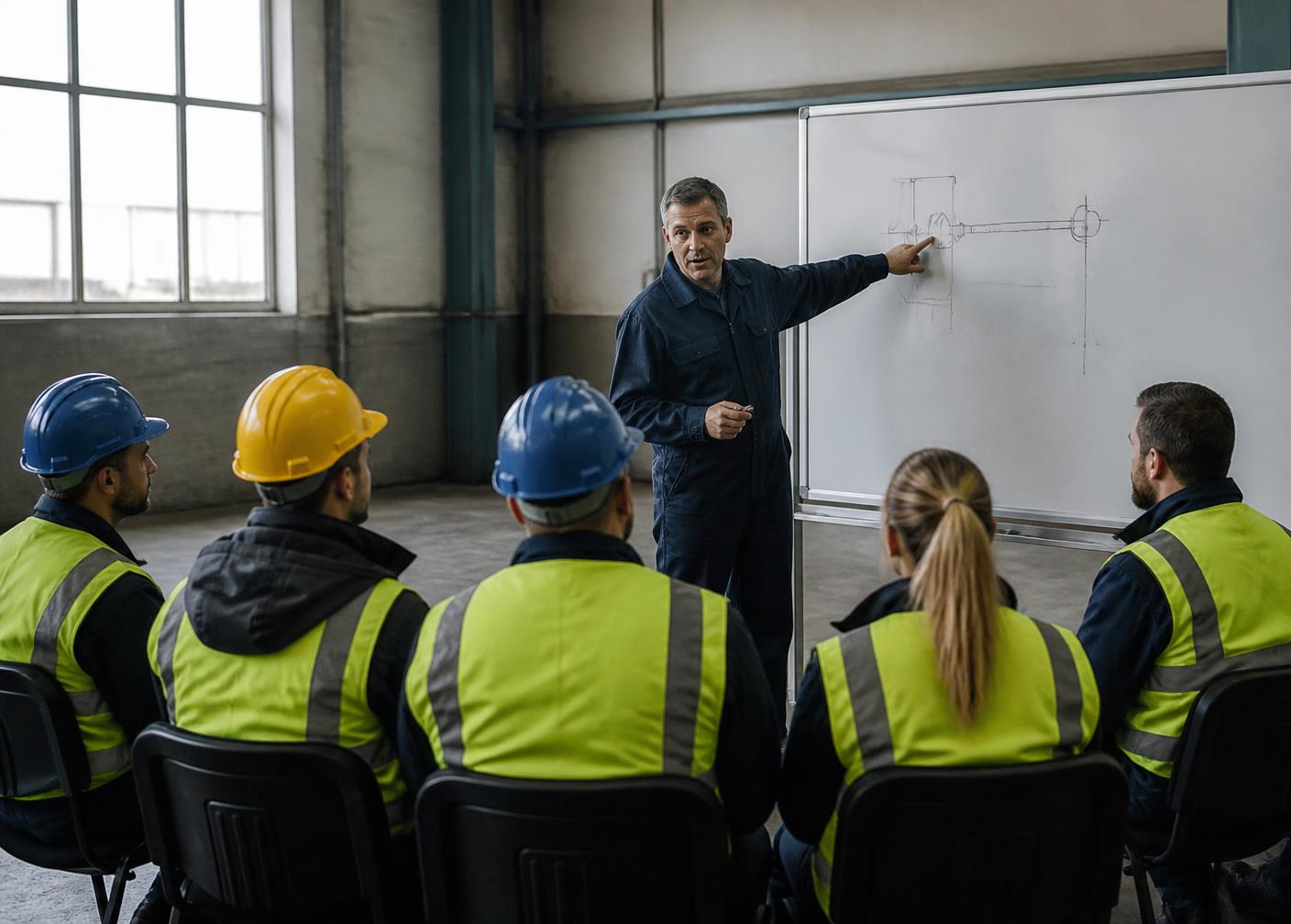
Training sessions, discussions with operational teams, workshops with maintenance, walking a line at 6 a.m. before it starts. This is where safety is decided — and the reason the work matters is simple: operations continue, and people go home.
12 — Request an evaluation
Ask for an operational safety review.
Tell us where your operation stands today. A specialist reads it, then comes back with what we would look at first — no obligation, no sales sequence.
- Response within two working days
- A specialist from your industry, not an account manager
- Confidential — no site details leave our team
11 — Next step
Let's look at how safety works inside your operation.
A first conversation is usually enough to see where the exposure sits and what a realistic programme would look like for your sites.